Intelligence-First Executive Protection: How OSINT Transforms Modern Security Operations
The Strategic Foundation of Intelligence-Driven Protection
Modern executives face dynamic threats that extend far beyond traditional physical risks. Digital communications, social media, business engagements, and family exposure create a multilayered vulnerability profile. At TNG, we integrate Open-Source Intelligence (OSINT) into every aspect of executive protection to proactively identify and mitigate threats before they escalate.
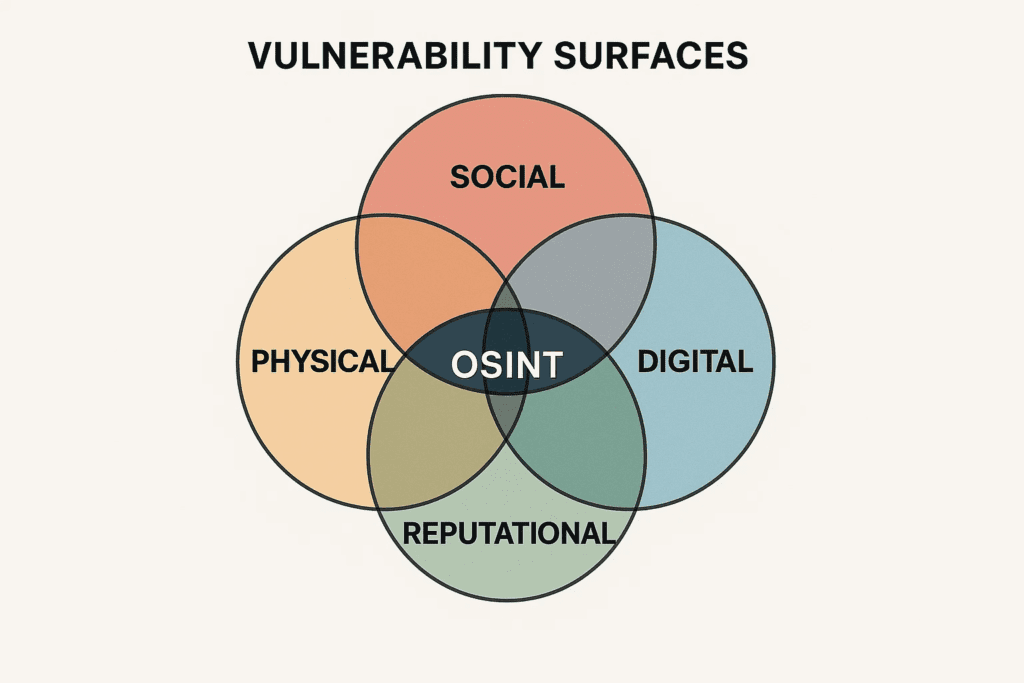
Most serious threats to executives leave digital breadcrumbs—grievance-filled posts, research activity, surveillance behaviors—long before a physical act occurs. By identifying and interpreting these signals early, OSINT enables security to transition from a reactive to a proactive approach.
Core OSINT Capabilities in Executive Protection
Comprehensive Threat Detection and Assessment
TNG’s Protective Intelligence Division continuously monitors multiple information domains, including social media, forums, public records, news, and more, to detect emerging risks.

Example: A Fortune 500 CEO was the subject of social media posts escalating from vague grievances to explicit threats. OSINT flagged the individual’s behavior, uncovering surveillance activity, financial distress, and job loss—classic indicators of escalation. Intervention occurred before physical confrontation.
Example: Before a pharma executive’s keynote, OSINT uncovered activist plans to breach venue security. Monitoring revealed recon photos and encrypted messages detailing entry routes. Security protocols were adjusted to prevent disruption.
Operational Planning and Intelligence Support
OSINT enhances travel and venue planning by providing:
- Environmental risk profiles
- Criminal pattern trends
- Activist activity monitoring
- Route analysis based on real-time data
Example: For a tech executive traveling during coordinated protests, OSINT uncovered targeted routes and hotel locations. The protection team rerouted travel, adjusted hotel entry protocols, and coordinated with local law enforcement.
Example: OSINT revealed plans by activists targeting a conference venue hosting pharmaceutical executives. Monitoring detected blind spot exploitation strategies and local crime trends. Security teams preemptively modified protocols and ensured heightened venue safety.
Digital Risk Management and Cyber-Physical Integration
Executives face escalating digital threats: personal data exposure, impersonation, and social engineering.
Example: A fraudulent journalist sought an interview with a financial executive. OSINT uncovered fake profiles and cross-platform intelligence gathering targeting the executive’s family. TNG intervened with enhanced protocols and coordinated law enforcement.
Example: As a tech company prepared an acquisition, OSINT detected fake profiles and intelligence gathering attempts against an executive. Surveillance included tracking family routines and business meetings. Countermeasures were deployed immediately.

Analytical Framework and Threat Actor Profiling
TNG uses behavioral analysis and threat actor profiling to assess risk:
- Grievance escalation tracking
- Capability indicators (e.g., firearms purchases, surveillance)
- Online network affiliations
- Motivation analysis (e.g., financial distress, job loss)
Example: A disgruntled former employee escalated from angry posts to security research. Linguistic patterns, forum involvement, and firearm interest triggered pre-attack alerts. Coordinated response prevented workplace violence.
Example: OSINT revealed a coordinated group targeting pharma executives. Multiple actors shared tactics via encrypted platforms. Analysts flagged harassment campaigns and identified potential escalation to physical confrontation.
Network Mapping and Insider Risk Detection
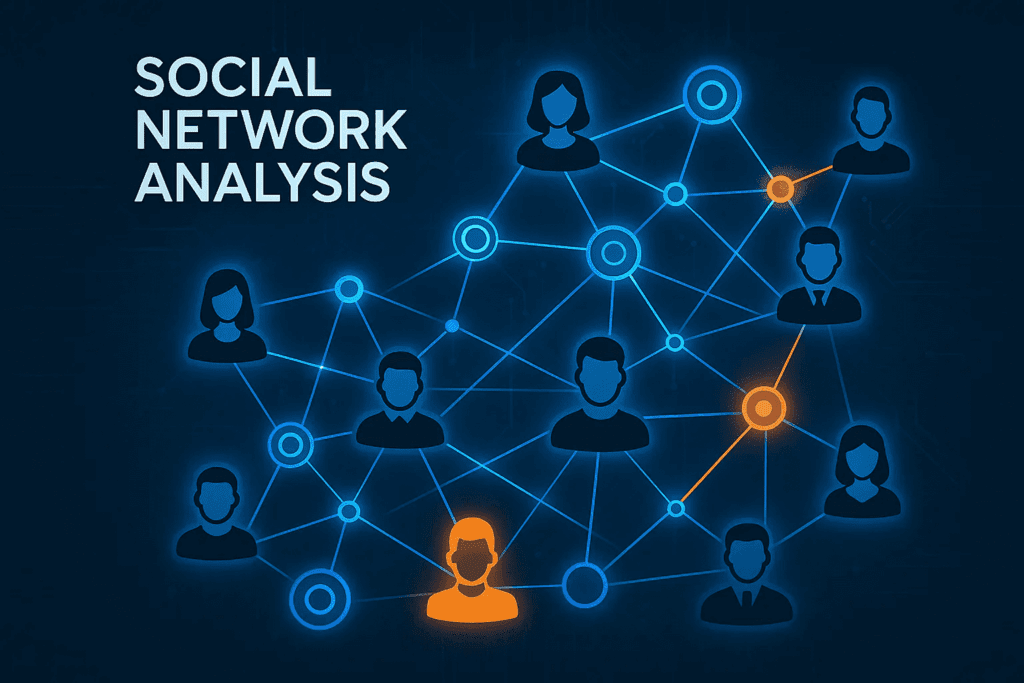
TNG’s network analysis identifies connections between potential threat actors and their supporters. This exposes group threats, insider risks, and early indicators of escalation.
Integration with Physical Security Operations
OSINT enables:
- Risk-based resource allocation
- Customized travel and event protocols
- Threat alerts integrated with physical security systems
Example: During international travel, OSINT flagged protests near a pharma executive’s hotel. Arrival protocols were adjusted, local law enforcement alerted, and the threat neutralized before arrival.
Example: Real-time social media monitoring caught surveillance photos of a tech exec’s office. Immediate action repositioned security and avoided potential confrontation.
Implementation Framework
TNG’s OSINT methodology is rooted in:

- Legal and ethical compliance
- Systematic data collection and validation
- Integration with CRM and security systems
- Analyst training and standards
Performance Metrics and ROI
TNG tracks:
- Threat detection rates
- Incident prevention rates
- Executive satisfaction scores
- Cost savings from averted incidents
Organizations using OSINT-enhanced executive protection see up to 80% higher threat prevention rates and 60% fewer false positives compared to traditional methods.
Strategic Value and Competitive Advantage

Intelligence-first executive protection offers:
- Greater threat visibility
- Faster, more effective response
- Reduced incident costs
- Long-term risk mitigation
TNG clients gain not only security but also a strategic edge through proactive protection.
Conclusion
OSINT is not just a tool—it’s the foundation of next-generation executive protection. TNG’s integration of OSINT across all stages of protective operations enables early detection, precise response, and elevated peace of mind.
When executive safety and organizational reputation are at stake, only an intelligence-first approach delivers results.