
In today’s economic climate, corporate security leaders face mounting pressures: recent surveys indicate that 35% are apprehensive about reduced physical security staffing driven by economic constraints, 33% struggle with managing growing volumes of physical threat data, and 32% fear increasing threats directed at their C-suite executives. As these challenges intensify, the role of corporate security leadership has never been more crucial—or more complex. In response, organizations are witnessing a profound transformation, shifting from traditional reactive models to proactive, strategic approaches that integrate security directly with business objectives.
Redefining Security Leadership
Modern security leadership transcends the conventional protective function to become a strategic business enabler. Today’s Chief Security Officers (CSOs) and security directors are trusted advisors to C-suite executives, helping navigate complex risk environments while supporting key business initiatives. This shift demands dual expertise: deep security knowledge and sophisticated business acumen.
The most effective security leaders now participate in strategic planning sessions, contribute to business development discussions, and align security investments with organizational priorities. They understand their ultimate value is preventing adverse outcomes and actively facilitating business growth and innovation.
Today’s CSOs are trusted advisors, navigating complex risk environments to enable business success.
Core Competencies for Corporate Security Leadership
Business Integration
Successful security executives comprehensively understand business operations, financial metrics, and strategic objectives. They approach security through the lens of business impact, quantifying risks and protective measures that are meaningful to executive leadership.
This integration manifests in several ways:
- Aligning security initiatives with corporate strategic plans
- Developing security metrics that reflect business outcomes
- Translating security investments into financial terms (ROI, cost avoidance, value creation)
- Participating actively in business planning and growth initiatives
When security leaders speak the language of business, they transform from cost centers to value creators in the organization’s eyes.

Risk-Based Decision Making
The complexity of today’s threat environment demands sophisticated risk assessment frameworks that evaluate security challenges within their broader business context.
Modern security leaders develop methodologies that:
- Quantify risks in financial terms
- Assess probability and potential impact
- Consider direct and indirect consequences
- Align mitigation strategies with organizational risk appetite
This approach enables more precise resource allocation, focusing protective measures where they deliver the greatest business value. It also facilitates more productive conversations with business leaders, framing security decisions regarding risk management rather than absolute protection.
Strategic Communication
No competency differentiates modern security leaders more than their ability to communicate effectively with diverse stakeholders. Today’s security executives translate complex security concepts into clear value propositions, tailoring their message to the needs and interests of specific audiences.
| Executive Reporting | Data-Driven Presentation | Compelling Narratives | Crisis Communication |
| Reports that highlight business impact and strategic value | Visual demonstrations of security’s contribution using metrics and analytics | Stories that connect security initiatives directly to business outcomes and objectives | Strategies that protect organizational reputation during security incidents |
When security leaders communicate strategically, they build credibility, gain support for critical initiatives, and elevate security’s role within the organization
Driving Innovation and Efficiency
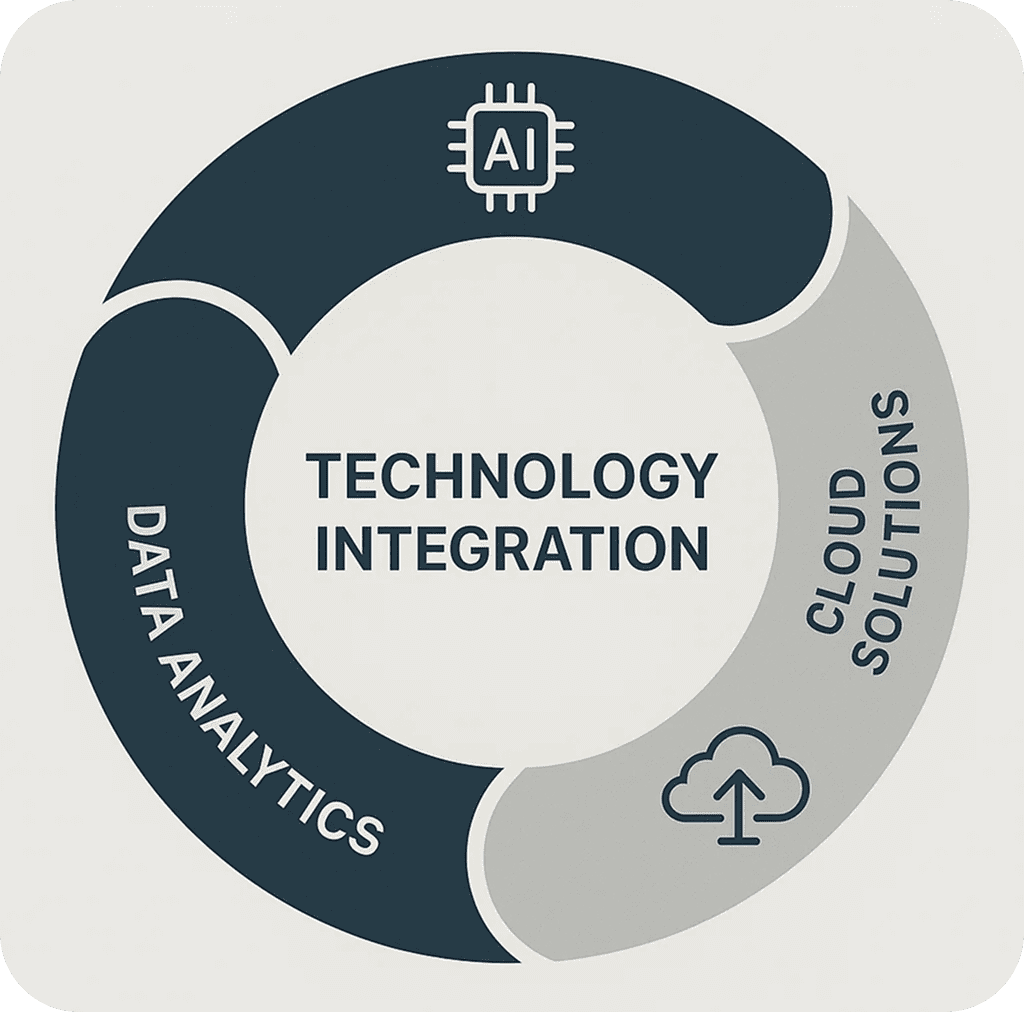
Forward-thinking security leaders recognize technology as both a challenge and an opportunity. While digital transformation creates new vulnerabilities, it also offers powerful tools to enhance protection while improving operational efficiency. Learn more about cybersecurity statistics here:
Modern security programs leverage:
- AI & Machine Learning – Advanced threat detection
- Cloud Solutions – Scalable security
- Automation – Streamline processes
- Data Analytics – Predict emerging risks
This technology integration requires continuously evaluating emerging solutions and creative approaches to security challenges. The most successful security leaders balance technological innovation and fundamental security principles.
Cost Optimization
Effective security programs balance protection with pragmatism in an environment of constrained resources.
Modern security leaders optimize resource allocation through the following:
- Risk-based budgeting that directs resources to the highest-priority threats
- Strategic vendor management that maximizes value from security partnerships
- Shared security responsibilities across business units
- Metrics that demonstrate a clear return on security investments
This focus on cost optimization positions security as a responsible steward of resources while ensuring effective protection against priority threats.
Building Collaborative Security Programs

Cross-Functional Partnership
Security success increasingly depends on strong partnerships across the organization. Modern security leaders collaborate effectively with IT, operations, finance, legal, human resources, and other business units to create integrated security solutions.
These partnerships manifest through:
- Joint security initiatives with shared objectives and resources
- Cross-functional security governance committees
- Integrated response procedures for security incidents
- Collaborative security awareness and training programs
When security operates as a collaborative partner rather than an isolated function, it develops more effective solutions and gains broader organizational support.
Compliance Integration
Regulatory requirements continue to expand across industries, creating challenges and opportunities for security programs. Modern security leaders treat compliance as a strategic tool rather than a checkbox exercise, aligning regulatory requirements with business objectives.
This integration includes:
- Mapping security controls to multiple regulatory frameworks
- Creating efficient processes that satisfy both security and compliance needs
- Leveraging compliance requirements to justify security investments
- Developing metrics that demonstrate compliance effectiveness
By integrating compliance into the broader security strategy, leaders reduce duplication of effort and position regulatory requirements as business enablers rather than obstacles.
The Path Forward
This business-driven approach is the future of corporate security leadership. As threats grow more complex and organizational dependencies on security increase, security leaders must continue to evolve their competencies and contributions.
Success in this environment requires:
- Strategic Alignment: Connect security to organizational priorities
- Data-Driven Decisions:Quantify risks and protective measures
- Innovation Mindset: Leverage emerging technologies
- Stakeholder Influence: Build organizational support
- Adaptive Capabilities: Respond to changing threats
Organizations that embrace this evolved security leadership model position themselves for sustainable growth in an increasingly complex risk environment. They transform security from a necessary cost to a strategic differentiator that enables business success.
Conclusion
As the security landscape continues to evolve, the role of security leadership becomes increasingly strategic. Today’s most effective security executives combine deep protective expertise with sophisticated business acumen, positioning security as a critical enabler of organizational success.
The North Group remains at the forefront of this transformation, helping organizations develop security leaders who drive business value while ensuring robust protection. Through our consulting services, executive development programs, and strategic advisory support, we partner with organizations to build security functions that meet today’s challenges while preparing for tomorrow’s threats. Ready to elevate your security leadership to drive real business value? Discover how The North Group’s tailored consulting and leadership programs can help your organization thrive securely. Visit tngdefense.com or contact our team directly today