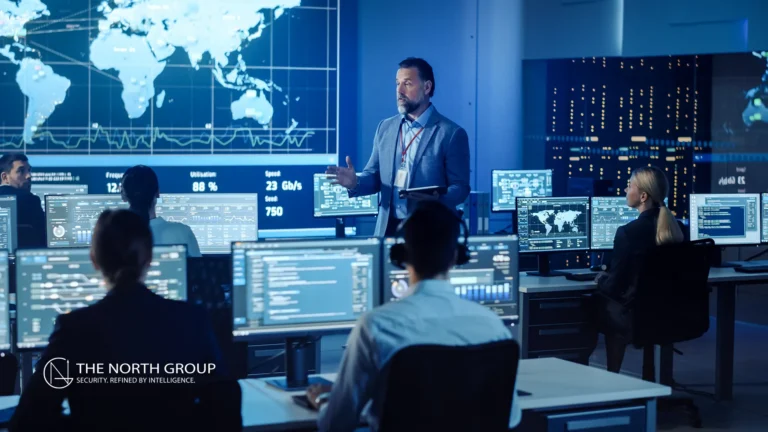
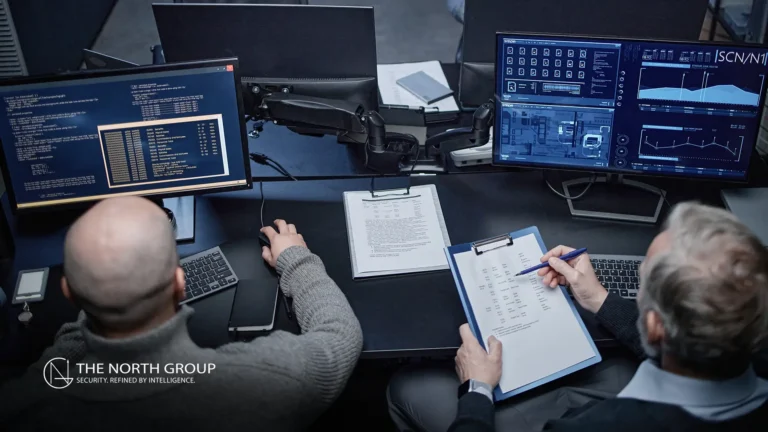
Most people never see the work happening behind the scenes to keep an organization safe. That’s the role of a Global Security Operations Center, or GSOC. It’s the central hub where monitoring, analysis, communication, and crisis response all come together. If something happens, or even looks like it might happen, the GSOC is the place that sees it first and coordinates what comes next.
In today’s evolving security landscape, organizations, government agencies, and businesses rely on advanced tools to protect their people, assets, and data. At the heart of these protections is the GSOC. Here’s why it matters.
Centralized Monitoring and Rapid Response
A GSOC brings everything together in one place. It provides real time monitoring across multiple locations, giving teams a clear and consistent picture of what is happening. With a single, centralized hub, security personnel can respond faster, coordinate more efficiently, and minimize damage or losses. It also ensures that response protocols remain consistent across teams, departments, and regions.
Advanced Threat Detection and Prevention
Modern GSOCs use powerful technology including artificial intelligence, machine learning, and real time threat intelligence. This allows them to identify unusual behavior, detect potential breaches early, and even predict threats before they escalate. Continuous monitoring gives organizations the chance to take action proactively instead of waiting until something goes wrong.

Around the Clock Surveillance and Emergency Preparedness
Security threats do not follow a schedule. They can happen anytime, day or night. A GSOC provides true 24 hour surveillance and incident management, ensuring that every alert, anomaly, or emergency is seen and handled. Quick, well coordinated responses help protect people, safeguard assets, and keep operations running smoothly.
The GSOC Ecosystem: How It Connects With Intel and Operations
A strong GSOC does not operate on an island. It functions as the nerve center of the entire organization, constantly interacting with intelligence, operations, leadership, and on-the-ground personnel.
This ecosystem is built on three core functions:
1. Data Collection and Intelligence Gathering
The GSOC gathers information from multiple sources including internal systems, threat feeds, public data, and real time alerts. This helps identify trends, emerging threats, and potential vulnerabilities that may not be obvious at first glance.
2. Collaboration With Intel and Ops
Collaboration is one of the GSOC’s most important responsibilities.
The GSOC shares what it sees with intelligence analysts, who help validate threats and add deeper context. In return, intel teams provide insights that help refine monitoring and anticipate risks.
On the operations side, the GSOC ensures the right people and resources are positioned where they need to be, whether that means deploying on-site personnel or adjusting protective measures.
3. Reporting and Briefings
Reporting is a major function of any well run GSOC.
Clear, detailed reports help leadership understand what happened, what is developing, and what needs to happen next. These briefings support everything from daily summaries to crisis updates and After Action reviews.
Together, these moving parts form the GSOC ecosystem, a constant loop of monitoring, analyzing, sharing, and responding that strengthens the entire organization.
A Stronger, Smarter Approach to Security
As threats continue to evolve, the organizations that thrive will be the ones that invest in proactive, intelligence driven security. A well run GSOC does more than monitor screens. It strengthens decision making, supports leadership, protects people, and creates the clarity every organization needs during uncertain moments.
If your team is exploring how a GSOC can enhance your overall security posture, The North Group can help you build a system rooted in real experience, intelligence, and operational excellence.